

How Bainona Engineering Consultancy Leads CBC and BOC Certification in the UAE
A building can look complete from the outside and still face delays at the most critical stage: certification. In the UAE, owners, developers, facility managers, and investors often need clear proof that a property is safe, compliant, and ready for approval. That is where the Certified Building Condition Certificate (CBC), legalization, and the Building Occupancy Certificate (BOC) become essential.
For more information on achieving the above mentioned certificates kindly contact us through email: bainona1@bainona1.ae or landline: 02 632 9400
Bainona Engineering Consultancy has built its reputation by guiding building owners through these approvals with technical clarity, authority coordination, and practical engineering judgement. From existing villas and commercial properties to mixed-use buildings, warehouses, and residential towers, BEC supports clients across the UAE in bringing buildings into compliance and moving approvals forward with confidence.
This article is for general information only. Requirements can vary by emirate, authority, building type, and project history.

Why CBC, legalization, and BOC approvals matter in the UAE
The UAE has a mature and safety-driven construction environment. Authorities expect buildings to meet approved drawings, structural requirements, fire and life safety standards, and municipality regulations before they are occupied, transferred, rented, modified, or regularised.
For many owners, certification becomes urgent when a building reaches one of these moments:
A new building is ready for handover.
An existing building needs to be occupied legally.
A property has unauthorised additions or changes.
A buyer, tenant, or investor requests proof of compliance.
An authority requires updated inspections or technical documents.
A building must be connected to services or renewed for continued use.
The challenge is rarely one document alone. A CBC may require inspections and engineering assessment. Legalization may require comparison between the actual building and approved records. A BOC may depend on multiple approvals being completed in the right order.
That is why experienced consultancy matters. The process needs more than form submission. It needs someone who understands buildings, codes, authorities, site realities, and the documents that connect them.
What these certificates mean in practical terms
The names can sound similar, but each approval plays a different role in a building’s compliance journey.
Certificate or process | What it generally confirms | Why it matters |
Certified Building Condition Certificate | The building condition has been assessed by qualified professionals | Helps show that the structure and key building elements are fit for continued use or further approval |
Legalization | Existing works are reviewed and brought into line with authority requirements | Allows owners to regularise additions, modifications, or undocumented works where permitted |
Building Occupancy Certificate | The building is approved for occupation after required authority clearances | Supports lawful handover, use, leasing, and operational readiness |
A successful approval path depends on accuracy. If the drawings do not match the site, if structural concerns are not addressed, or if required authority comments are ignored, the process can stall. Bainona’s role is to reduce that risk from the beginning.
Bainona’s strength starts with engineering due diligence
CBC and BOC approvals are not paperwork exercises. They start with the actual condition of the building.
Bainona Engineering Consultancy approaches each project by first understanding what exists on site. That includes the building history, approved drawings where available, visible condition, structural system, architectural layout, services, access, and any previous authority comments.
A good inspection does not simply record defects. It answers practical questions.
Is the building aligned with approved documents?
Are there visible structural or safety concerns?
Do any additions require review or regularisation?
Which authority approvals are missing or incomplete?
What is the shortest compliant path to certification?
This early clarity helps owners avoid repeated submissions, unexpected comments, and costly delays. It also gives the authority a cleaner technical file, supported by drawings, reports, photographs, and engineering recommendations.
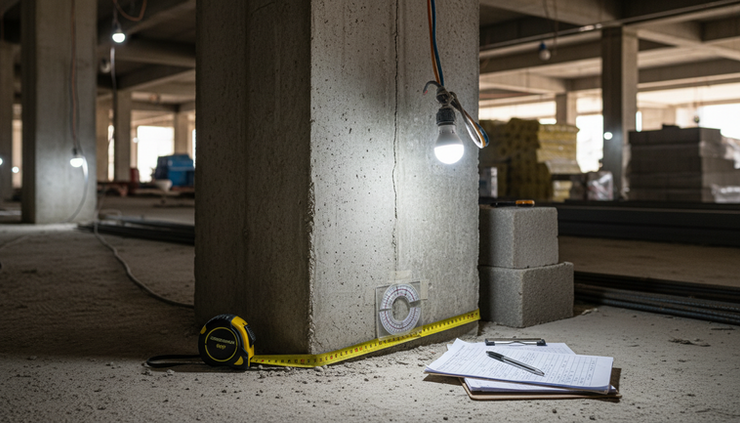
How Bainona supports Certified Building Condition Certificate applications
A CBC is often required for existing buildings, older properties, buildings with changes, or structures that need formal condition confirmation. The certificate gives authorities and stakeholders a professional basis for deciding whether the building can continue to be used, transferred, modified, or legalised.
Bainona supports the CBC process through a structured engineering workflow.
Site inspection and condition review
The team reviews the visible condition of the property, including structural elements, building envelope, access areas, and key safety-related items. Depending on the building and authority expectations, this may include checking cracks, settlement signs, corrosion, water damage, unauthorised openings, or changes to the original structure.
The aim is not only to list issues. The aim is to separate minor maintenance items from matters that could affect compliance.
Review of available drawings and records
Many buildings have changed over time. Some have complete authority-approved drawings. Others have partial records, outdated plans, or undocumented works. Bainona compares available documents with existing site conditions to identify gaps early.
This step is especially important when the CBC connects to legalization or future BOC approval.
Technical reporting and recommendations
A clear report can make a major difference. Bainona prepares technical documentation that presents findings in a way authorities can review. When corrective action is needed, the report can guide the owner on practical next steps.
This gives the certification process a strong base: a real inspection, a documented assessment, and a clear path to compliance.
Legalization needs accuracy, not guesswork
Across the UAE, many existing properties include changes made after original approval. These may include room extensions, enclosure works, mezzanines, service additions, layout changes, façade changes, boundary modifications, or other alterations.
Legalization is the process of regularising these works where the authority allows it. The goal is to bring the building record closer to the actual site condition and confirm that the works meet the required standards.
Bainona’s value is especially clear here because legalization often involves several connected tasks:
Measuring and documenting the existing condition.
Preparing as-built drawings.
Comparing the building against approved plans.
Identifying unauthorised or non-compliant work.
Advising on required corrections.
Coordinating technical submissions.
Responding to authority comments.
Supporting the owner until the approval path is completed.
Poorly prepared legalization files often lead to delays. A missing drawing, unclear structural detail, or incomplete site record can trigger repeated comments. Bainona reduces this risk by treating legalization as an engineering and authority coordination process, not a simple drafting job.
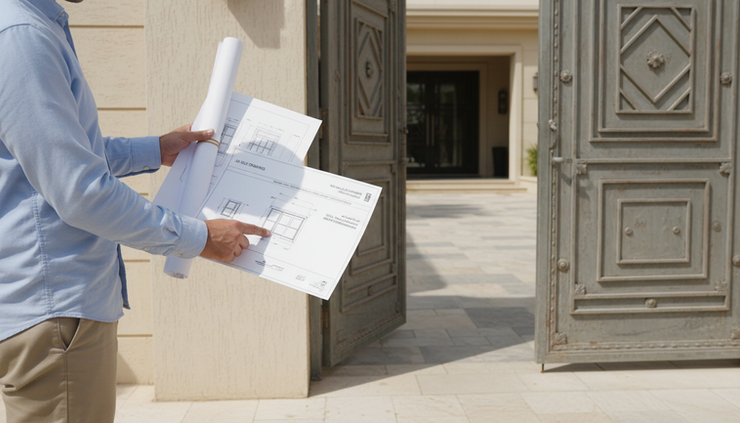
BOC certification is the final gate before lawful occupation
The Building Occupancy Certificate is one of the most important approvals in a building’s life cycle. It confirms that a building has met the required conditions for occupation, usually after relevant inspections, clearances, and completion documents are in place.
For a new project, BOC is closely linked to project handover. For an existing or legalised building, BOC may be the step that allows the owner to use the property properly after resolving compliance matters.
Bainona supports BOC applications by managing the technical details that often affect approval.
Completion documents must be consistent
Authorities review whether the completed building matches the approved design and required regulations. If drawings, site condition, completion certificates, and supporting approvals conflict, the process can stop.
Bainona helps align the technical file before submission so that the record is clear.
Authority comments need fast and correct responses
BOC applications may involve comments from municipality departments, civil defence, utilities, planning teams, or other relevant entities depending on the emirate and project. Each comment needs a specific response.
A generic reply rarely works. Bainona reviews the comment, identifies the technical reason behind it, and prepares the required correction or clarification.
Site readiness matters
A building may have excellent drawings but still fail if the site is not ready. Access, safety provisions, service areas, fire and life safety elements, parking, entrances, and common areas may all affect approval depending on the property type.
Bainona helps owners understand what must be corrected before inspection so the process moves with fewer surprises.
Why nationwide UAE experience matters
The UAE has shared safety and construction principles, but each emirate and authority can have its own procedures, portals, inspection expectations, and document requirements. A process that works in Abu Dhabi may not be identical in Dubai, Sharjah, Ajman, Ras Al Khaimah, Fujairah, or Umm Al Quwain.
Bainona’s nationwide approach is important because buildings vary widely across the country. A villa extension, an industrial warehouse, a staff accommodation building, a retail unit, and a high-rise residential property each require different technical attention.
The company’s experience across a broad range of building types helps clients avoid two common problems:
Submitting too little
This can lead to repeated authority comments, missing documents, and long approval cycles.
Overcomplicating the file
This can create confusion, extra cost, and unnecessary revisions.
The right consultant knows how to prepare a complete, clear, and authority-ready submission without making the process heavier than it needs to be.
Bainona’s process gives owners a clearer path
Most certification delays come from uncertainty. Owners do not always know which approval comes first, which documents are valid, or which site issues may affect the certificate. Bainona brings order to that process.
A typical engagement may include:
Initial review
The team studies the building type, location, project background, and approval objective.
Document collection
Available drawings, permits, previous approvals, inspection notes, and related records are reviewed.
Site inspection
The actual condition is checked and compared against the available documentation.
Gap identification
Missing approvals, drawing mismatches, unsafe changes, or technical concerns are listed clearly.
Corrective guidance
Bainona advises what needs to be repaired, revised, removed, documented, or submitted.
Authority submission support
The required technical documents are prepared and coordinated for the relevant authority.
Comment resolution
Authority feedback is addressed with clear engineering responses until the process reaches its final stage.
This method helps owners make decisions based on facts rather than assumptions.
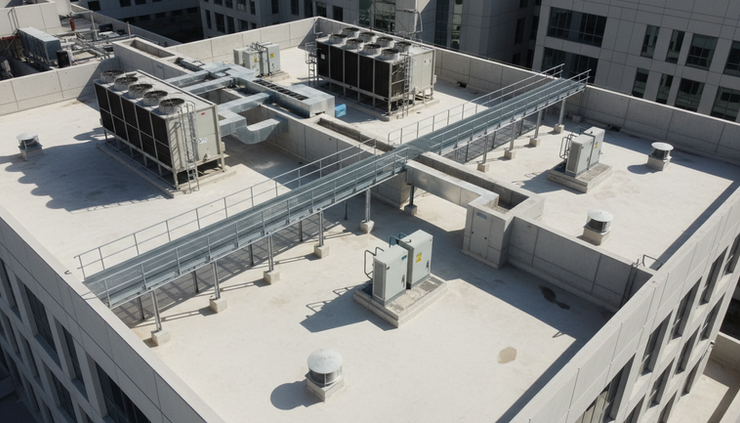
What sets Bainona Engineering Consultancy apart
Bainona’s leadership in CBC, legalization, and BOC certification comes from combining technical engineering work with practical approval management. The company understands that clients need more than reports. They need a consultant who can guide the full path from site condition to authority acceptance.
Several strengths make this difference clear.
Strong technical judgement
Every building has its own story. Some issues are cosmetic. Others affect safety, approval, or future use. Bainona helps owners understand the difference so they can spend time and money on what truly matters.
Clear documentation
Authorities need files that are complete, consistent, and easy to review. Bainona prepares drawings, reports, and responses with that goal in mind.
The real value is fewer delays and better decisions
CBC, legalization, and BOC approvals can affect property value, occupancy, leasing, transfer, insurance, renovation, and long-term operation. When the approval path is unclear, owners can lose time and face avoidable cost.
Bainona Engineering Consultancy helps reduce that uncertainty. The company gives clients a practical view of where the building stands, what needs to be done, and how to move through the approval process.
For property owners and developers in the UAE, that clarity is valuable. It turns a complex certification requirement into a managed engineering process.
The strongest certification strategy begins before the first submission. It begins with a consultant who understands the building, the authority requirements, and the route to approval. That is where Bainona Engineering Consultancy continues to lead.
For more information on achieving the above mentioned certificates kindly contact us through email: bainona1@bainona1.ae or landline: 02 632 9400


